The Golden Route is the name travel agents gave the corridor between Tokyo and Osaka, the strip of Honshu that holds most of the country's first-time sights. Ten days is enough to walk it without rushing: three days in Tokyo to shake off the flight, a mountain-and-onsen detour to Hakone, four nights based in Kyoto with a day given to Nara, and two days in Osaka before the train back. You start and finish in Tokyo, since that is where most international flights land and leave.
Nearly all of it runs on rails. The spine is the Tōkaidō Shinkansen, which links Tokyo, Kyoto, and Shin-Osaka and has trains every few minutes through the day. The one stretch that leaves the JR network is Hakone, served by the private Odakyu line and its own cluster of mountain trains, cable cars, and boats. That split matters for tickets, and it is the first thing to settle before you book anything. There is a note on the rail-pass math at the end.
A planning rhythm worth keeping: temples and shrines reward an early start, and most of Japan's famous outdoor sights are emptiest in the first hour after they open. The days below front-load the marquee stops for that reason and leave afternoons looser.
Arrive in Tokyo, then Asakusa
Land, drop your bags, and resist the urge to plan a hard day on top of jet lag. Asakusa, in the old working-class east of the city, is a forgiving place to start, walkable and oriented around a single landmark.
Sensō-ji
- Price
- Free
- Best
- Early morning, before the Nakamise crowds
- Hours
- Main hall 6:00–17:00 (from 6:30 Oct–Mar); grounds always open
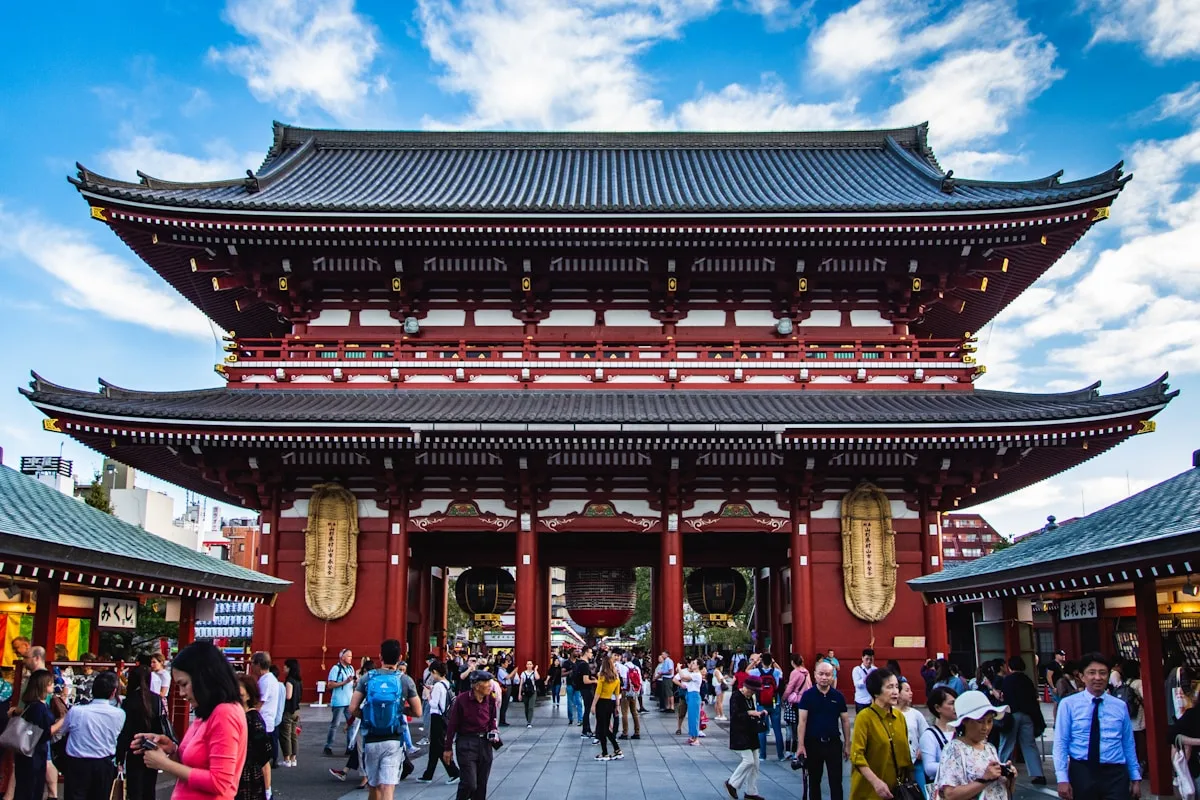
Sensō-ji is Tokyo's oldest temple. Its origin legend dates to 628, when two fishermen are said to have pulled a small statue of the bodhisattva Kannon from the Sumida River, and the temple was formally established in 645. The great red lantern of the Kaminarimon, the outer "Thunder Gate," is one of the city's most recognised images, and the Nakamise shopping street behind it runs a couple of hundred metres up to the main hall. The buildings are postwar reconstructions, rebuilt after the 1945 air raids, so the temple is ancient but the halls you photograph are not. Come early or after dark and the grounds, which never close, are far calmer than the daytime crush.
Meiji Jingū, Harajuku, and a Shibuya sunset
Day two crosses to the west side and pairs the city's calmest shrine with its busiest crossing.
Meiji Jingū
- Price
- Free (Inner Garden ¥500)
- Best
- Early morning
- Hours
- Opens at sunrise, closes at sunset (≈5:00–18:30 in June); open daily
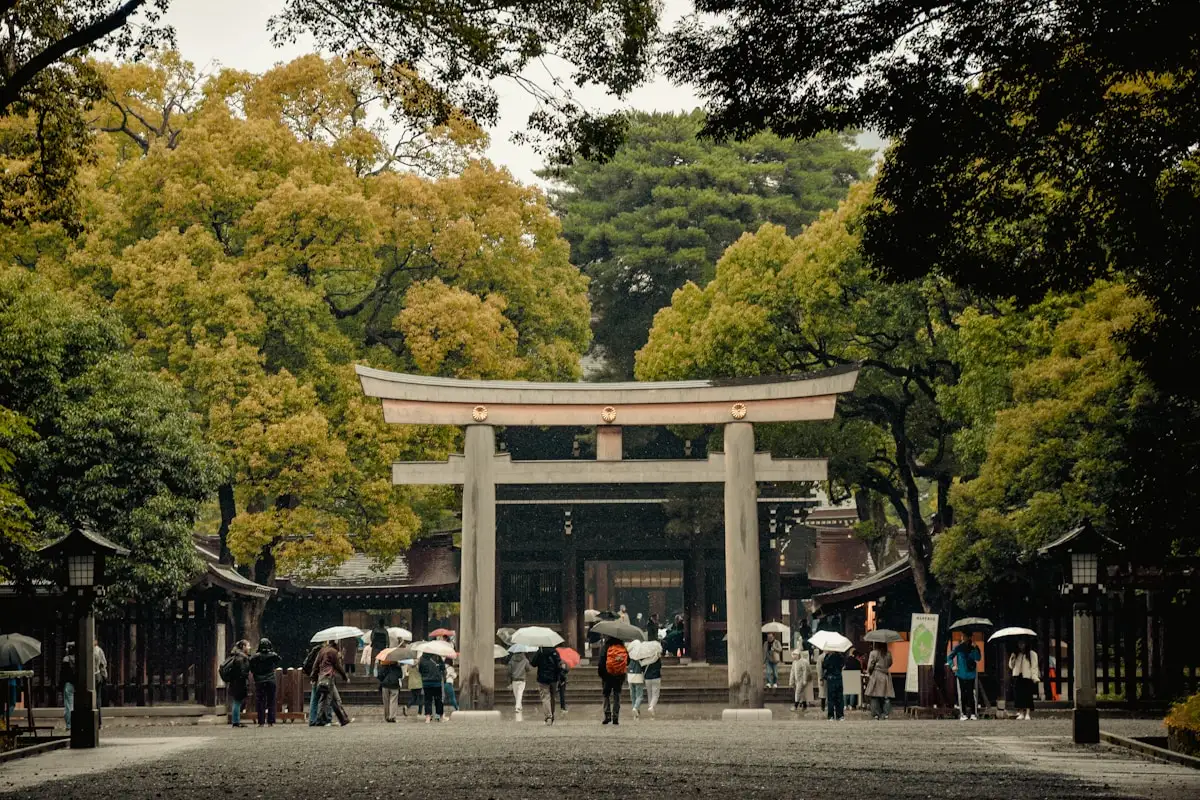
Meiji Jingū sits inside a forest that looks primeval and is anything but. It was planted from scratch in the 1910s, roughly a hundred thousand donated trees laid out to mature into a permanent woodland, and dedicated in 1920 to the deified spirits of Emperor Meiji and Empress Shōken. The shrine opens at sunrise and closes at sunset, so its hours shift through the year. Come in the morning, walk the gravel approach under the big timber torii, then surface into Harajuku and Omotesandō, which sit right at the shrine's edge.
Shibuya Sky
- Price
- ¥3,000 before 15:00, ¥3,700 after (cheaper booked online)
- Best
- Sunset — book a slot ahead, they sell out
- Hours
- 10:00–22:30, last entry 21:20; closed Jan 1
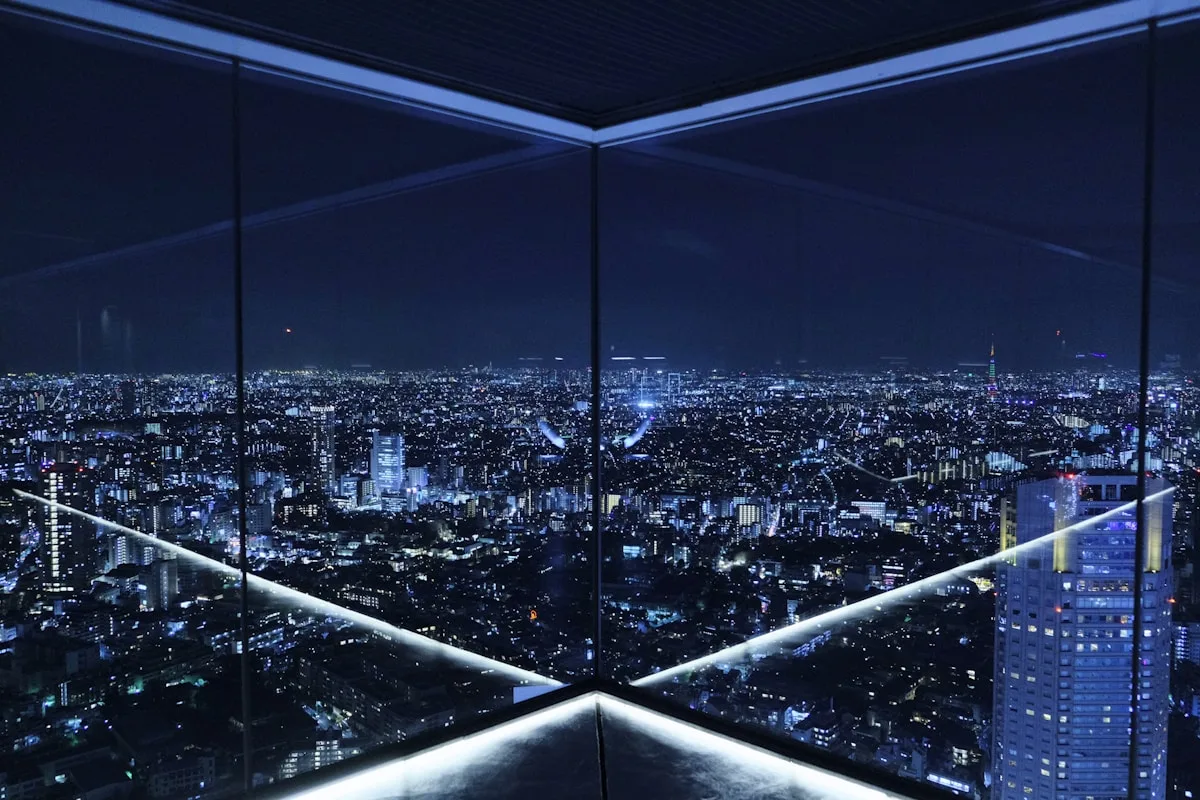
A short hop south is Shibuya, and the open-air deck on top of Shibuya Scramble Square is the best place to end the day. It opened in 2019, stands around 230 metres up, and looks straight down on the scramble crossing, with Mt. Fuji on the horizon when the air is clear. The sunset slot is the one everyone wants, which is why same-day tickets often sell out by midday and the after-15:00 price is higher. Book a timed entry before you go.
A flexible third day in Tokyo
Tokyo rewards a day with no fixed plan. Pick a neighbourhood and let it run long. Tsukiji's outer market is still the place for a standing breakfast of grilled seafood; teamLab's digital-art museums draw a younger crowd and need advance tickets; and Nikkō or Kamakura are each a comfortable day trip if you would rather trade the city for shrines and sea air.
For something quieter and closer in, Kiyosumi-Shirakawa pairs a strolling garden with the cafe scene that gave Tokyo's third-wave coffee its start. It has its own guide in the related reading.
The Hakone loop
Hakone is a hot-spring town in the mountains southwest of Tokyo, inside Fuji-Hakone-Izu National Park, and it is built for a one-day circuit. The standard loop runs counter-clockwise on a chain of small transports: the switchback Hakone Tozan railway up to Gōra, a cable car higher still to Sōunzan, the ropeway over the ridge, and a sightseeing boat across the lake at the far end. Doing it in that order puts you over the volcanic valley earlier, when Fuji is likelier to be clear. Stay the night here in a ryokan if you can; the onsen is half the point.
Hakone Open-Air Museum
- Price
- ¥2,000
- Best
- Fair weather — most of it is outdoors
- Hours
- 9:00–17:00, open daily (last entry 16:30)
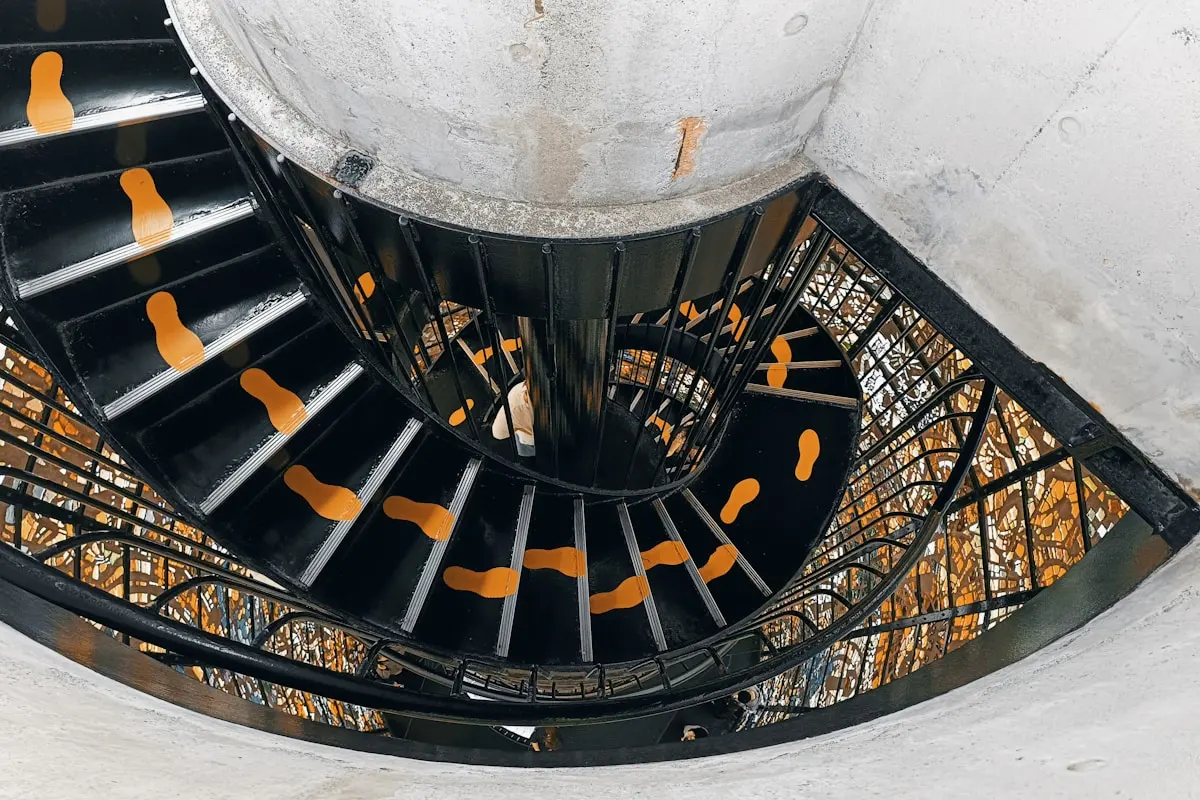
A two-minute walk from Chōkoku-no-Mori station, the Hakone Open-Air Museum was Japan's first open-air art museum when it opened in 1969. Sculpture sits out across the hillside lawns, there is a pavilion given over to a large Picasso collection, and a hot-spring footbath runs free on the grounds. Unusually for a Japanese museum it opens every day, with no weekly closing day.
Ōwakudani
- Price
- Ropeway ¥2,000 one-way / ¥3,000 return; black eggs ~¥500
- Best
- Clear mornings, for Mt. Fuji from the ropeway
- Hours
- Ropeway ~9:00–17:00 (to ~16:15 Dec–Jan); closes for high wind or volcanic gas
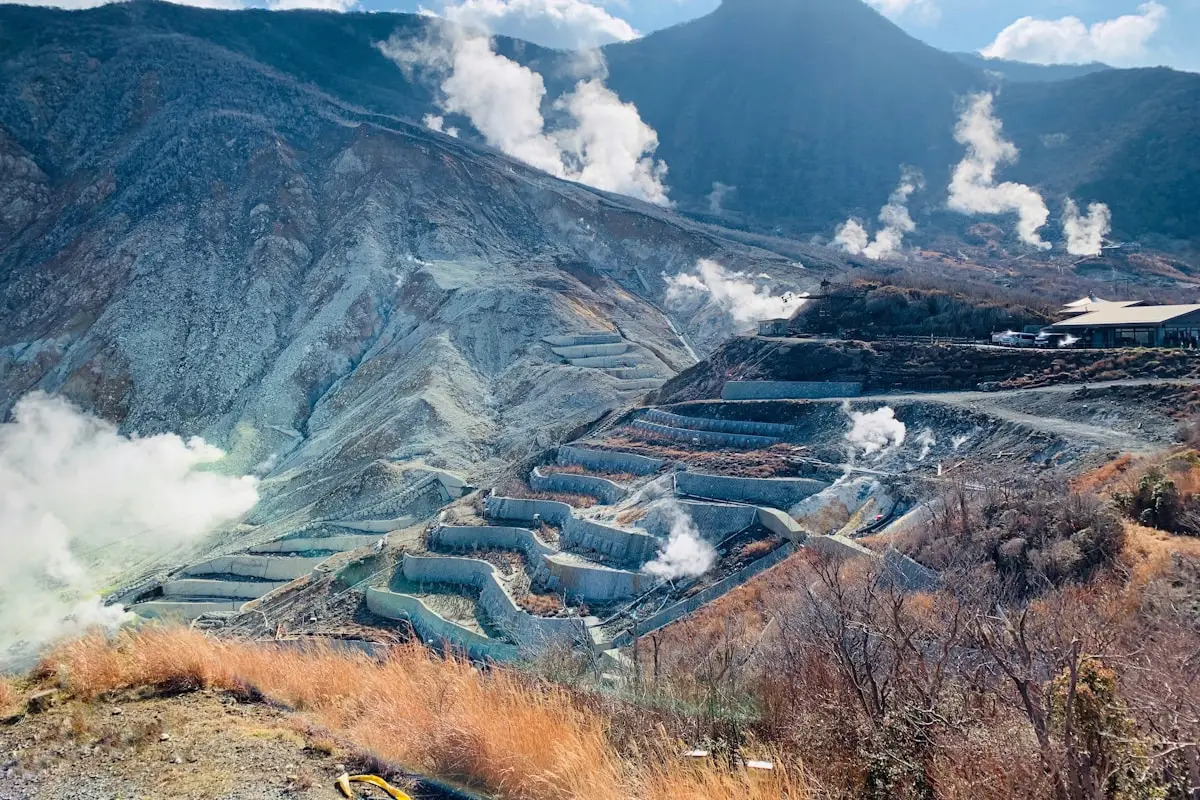
Higher up, Ōwakudani is a still-active volcanic valley, the scar of Mt. Hakone's last big eruption around 3,000 years ago. Steam vents hiss across the slope, and the local specialty is kuro-tamago, eggs hard-boiled in the sulphur pools until the shells turn black; folklore promises seven extra years of life per egg. The black comes from a reaction on the shell, not dye, and the egg inside is ordinary. The ropeway that carries you up suspends for high wind or raised volcanic gas, sometimes at short notice, so check its status the morning you go.
Hakone Shrine
- Price
- Free
- Best
- Early morning, for the lakeside torii
- Hours
- Grounds open daily
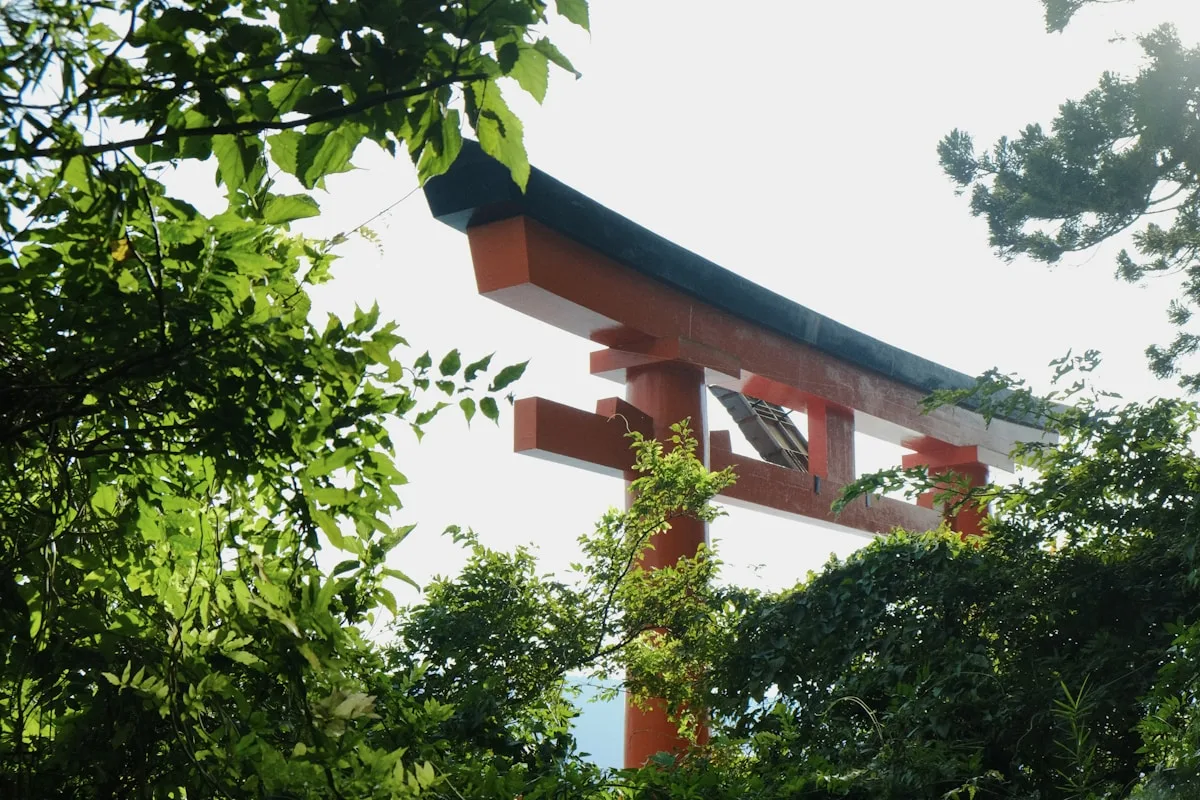
At the lake's southern end, Hakone Shrine traces its founding to 757. Its best-known feature is the Heiwa no Torii, the "Torii of Peace," which stands in the shallows of Lake Ashi with the water at its feet. The gate looks timeless but is recent, raised in 1952 to mark the San Francisco Peace Treaty, and on a clear day Fuji lines up behind it. The view is weather-dependent and the photo spot now runs a managed queue, so temper expectations and go early.
West to Kyoto, then Fushimi Inari
There is no need to backtrack to Tokyo. Odawara, the gateway station for Hakone, sits on the Tōkaidō Shinkansen, so you can ride straight west to Kyoto in about two hours. Drop your bags and spend the afternoon at the city's most famous shrine, which keeps no closing time.
Fushimi Inari Taisha
- Price
- Free
- Best
- Early morning or after dark, for a quiet Senbon Torii
- Hours
- Grounds open 24 hours; shrine office ~9:00–17:00
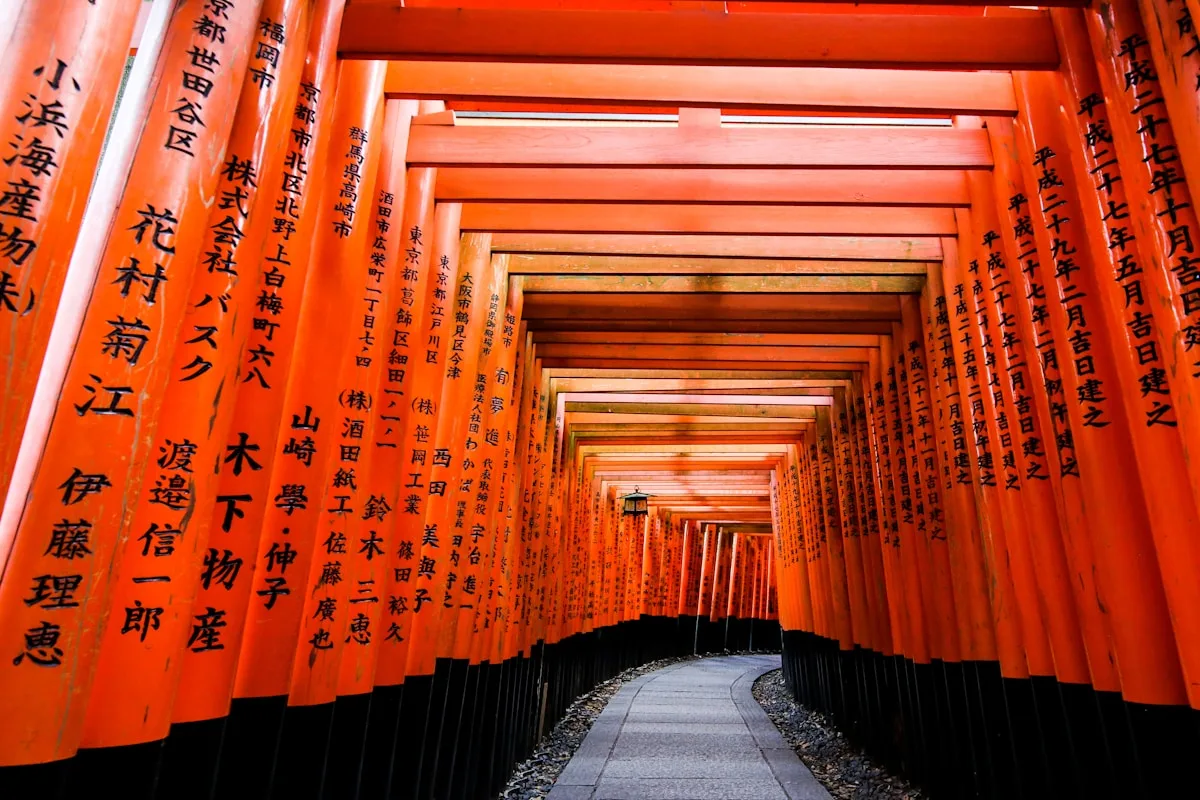
Fushimi Inari Taisha is the head shrine of the roughly thirty thousand Inari shrines across Japan, founded in 711 by the Hata clan. Its signature is the Senbon Torii, the "thousand torii," tunnels of vermilion gates donated by businesses that wind up the wooded slope of the mountain behind. The grounds are open around the clock and free, and the full circuit to the summit and back takes a couple of hours. Late afternoon into dusk is a fine time to walk it, after the day-trip crowds thin and the lanterns come on.
Higashiyama and Kiyomizu-dera
Give a full day to Higashiyama, the eastern hills where Kyoto's old streets survive best. The lanes of Ninenzaka and Sannenzaka climb between wooden shopfronts toward the temple at the top.
Kiyomizu-dera
- Price
- ¥500
- Best
- At the 6:00 opening, before Higashiyama fills
- Hours
- From 6:00; usual close ~18:00 (later in night-viewing seasons)
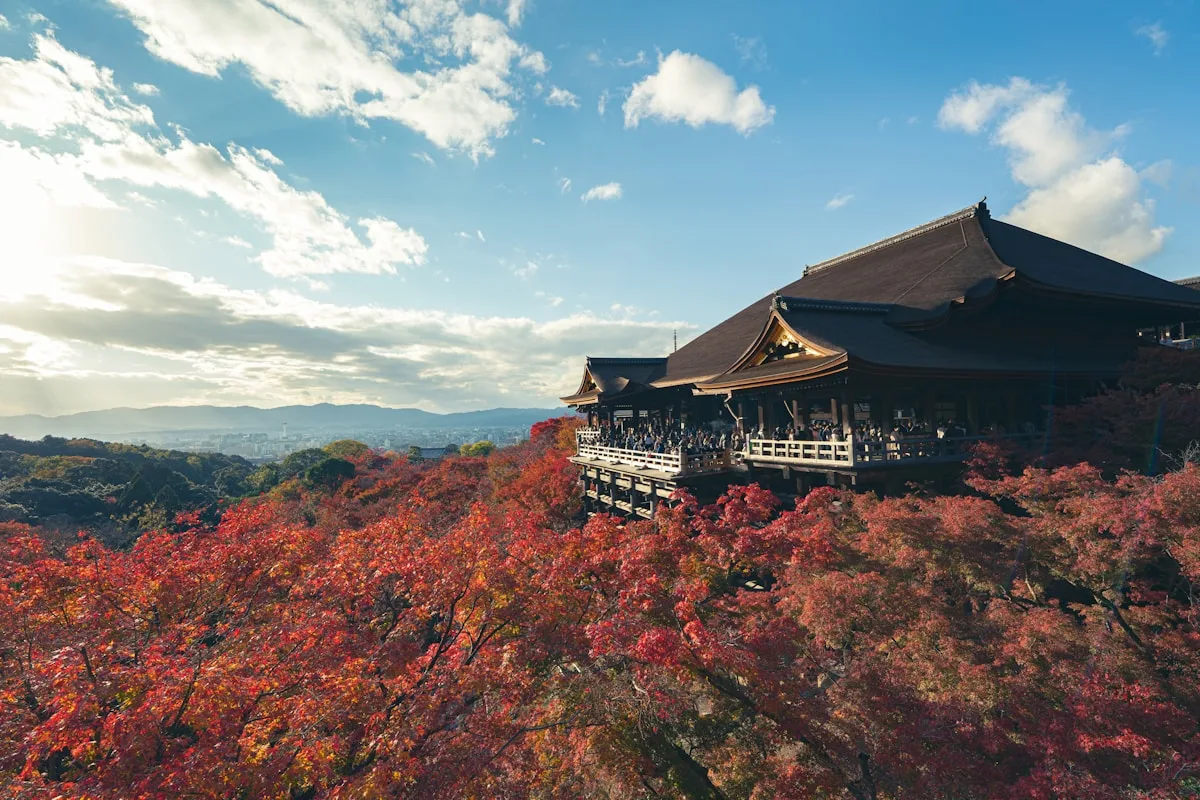
Kiyomizu-dera was founded in 778 and is one of the temples inscribed in 1994 as a UNESCO World Heritage Site. It is built out over the hillside on a vast wooden veranda raised on a lattice of pillars, assembled without nails, and the name, "pure water," comes from the Otowa waterfall that feeds the site. It opens at six in the morning, which is the one reliable way to see the veranda before the Higashiyama crowds arrive.
Arashiyama and the Golden Pavilion
Day seven swings to the western and northern edges of the city. They sit apart, so this is the day to lean on Kyoto's buses and the little Randen tram.
Arashiyama Bamboo Grove
- Price
- Free
- Best
- Before 8:00, before the path packs out
- Hours
- Always open (unlit after dark)
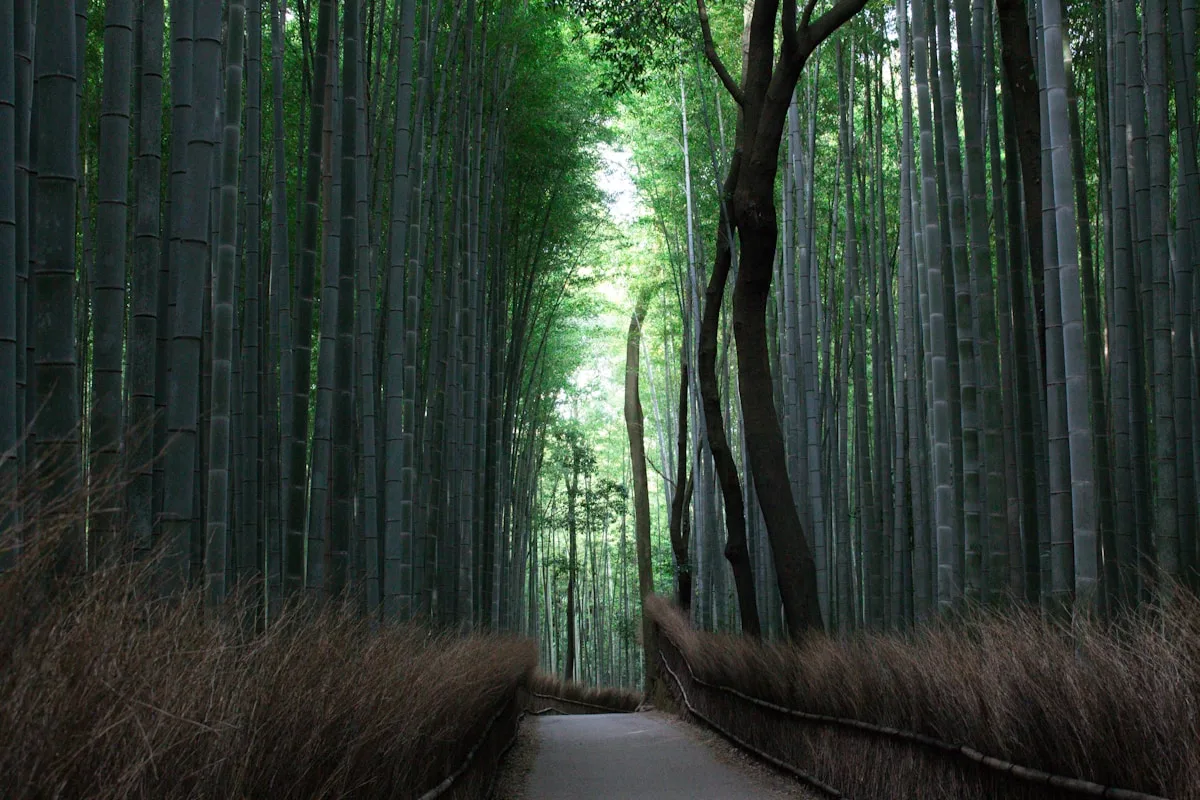
The Arashiyama bamboo grove is a walking path, a few hundred metres of towering stalks beside the Tenryū-ji temple. It is free and never gated, and that openness is also its problem: by late morning the corridor is shoulder to shoulder. Get there before eight and you may have stretches of it to yourself. The wider Arashiyama district, with the temple, the river, and the monkey park on the hill, fills the rest of a morning.
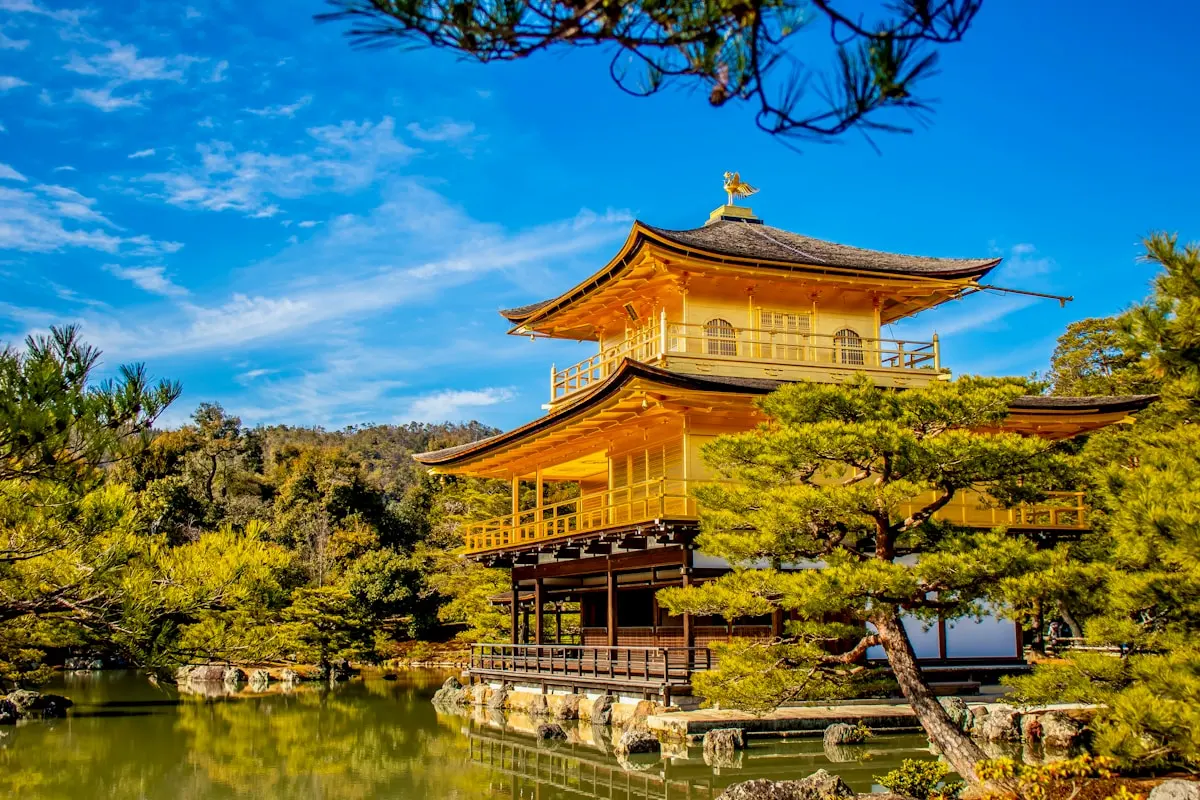
Kinkaku-ji
- Price
- ¥500
- Best
- At the 9:00 opening, for morning light on the gold leaf
- Hours
- 9:00–17:00, open daily
Across town to the north, Kinkaku-ji, formally Rokuon-ji, is the Golden Pavilion, its top two floors sheathed in gold leaf and mirrored in the pond it stands beside. It began as the retirement villa of the shogun Ashikaga Yoshimitsu in 1397 and became a Zen temple after his death. The pavilion you see is a 1955 reconstruction; the original was burned down by a young monk in 1950, the event behind Mishima's novel. Morning light is kindest on the gold.
A day trip to Nara
Nara was Japan's capital in the eighth century, before Kyoto, and it keeps the monuments to prove it. It is an easy day trip: the JR Nara line runs from Kyoto Station to Nara in about forty-five minutes, and the Kintetsu line is comparable and lands closer to the park.
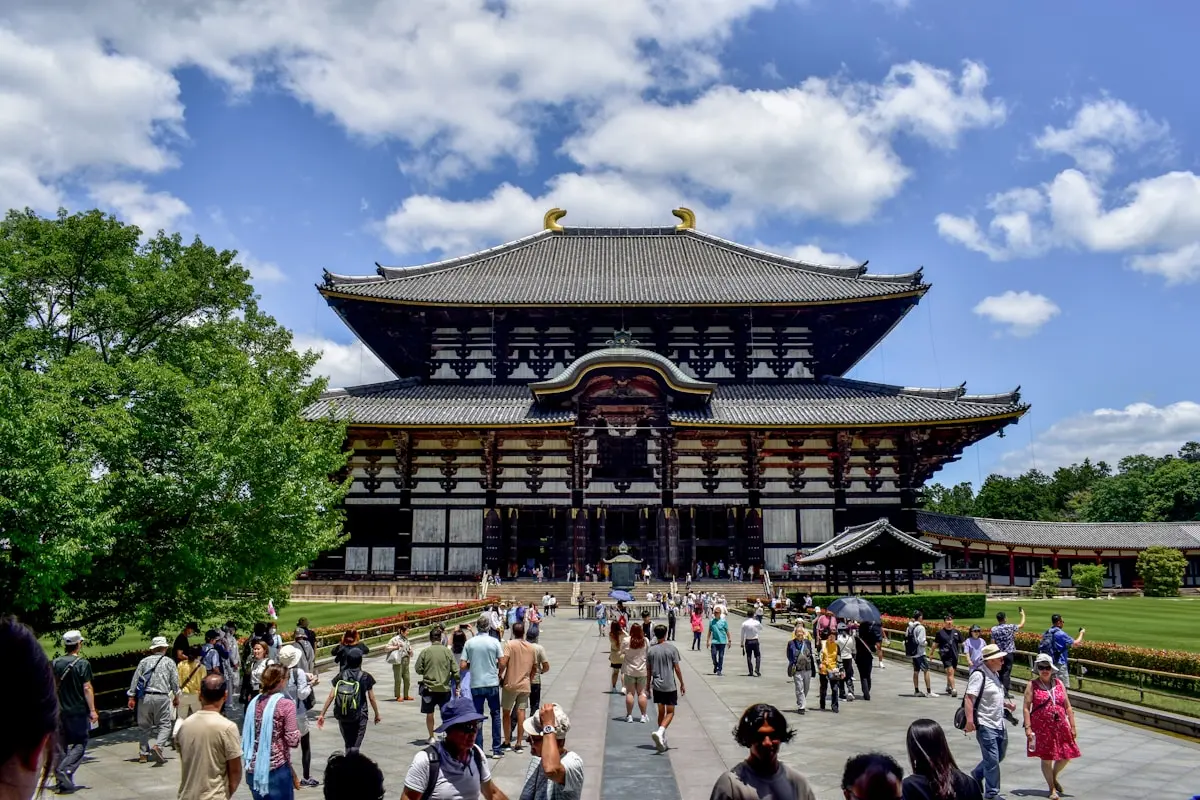
Tōdai-ji
- Price
- Great Buddha Hall ¥800 (park and deer free)
- Best
- Early, while the park is quiet
- Hours
- Hall 7:30–17:30 (8:00–17:00 Nov–Mar); park always open
Tōdai-ji's Great Buddha Hall is one of the largest wooden buildings in the world, and it houses the Daibutsu, a monumental bronze Buddha cast in the eighth century. The temple is a UNESCO World Heritage Site, inscribed in 1998. Around it spreads Nara Park, where some twelve hundred wild sika deer roam freely and have learned to bow for the crackers vendors sell. The deer are protected as a national natural treasure, and the park itself is free; only the hall charges admission.
On to Osaka and Dōtonbori
Osaka is fifteen minutes from Kyoto by rapid train, so the move is barely a journey. Where Kyoto is restrained, Osaka is loud and built around eating, and nowhere more than its canal-side entertainment district after dark.
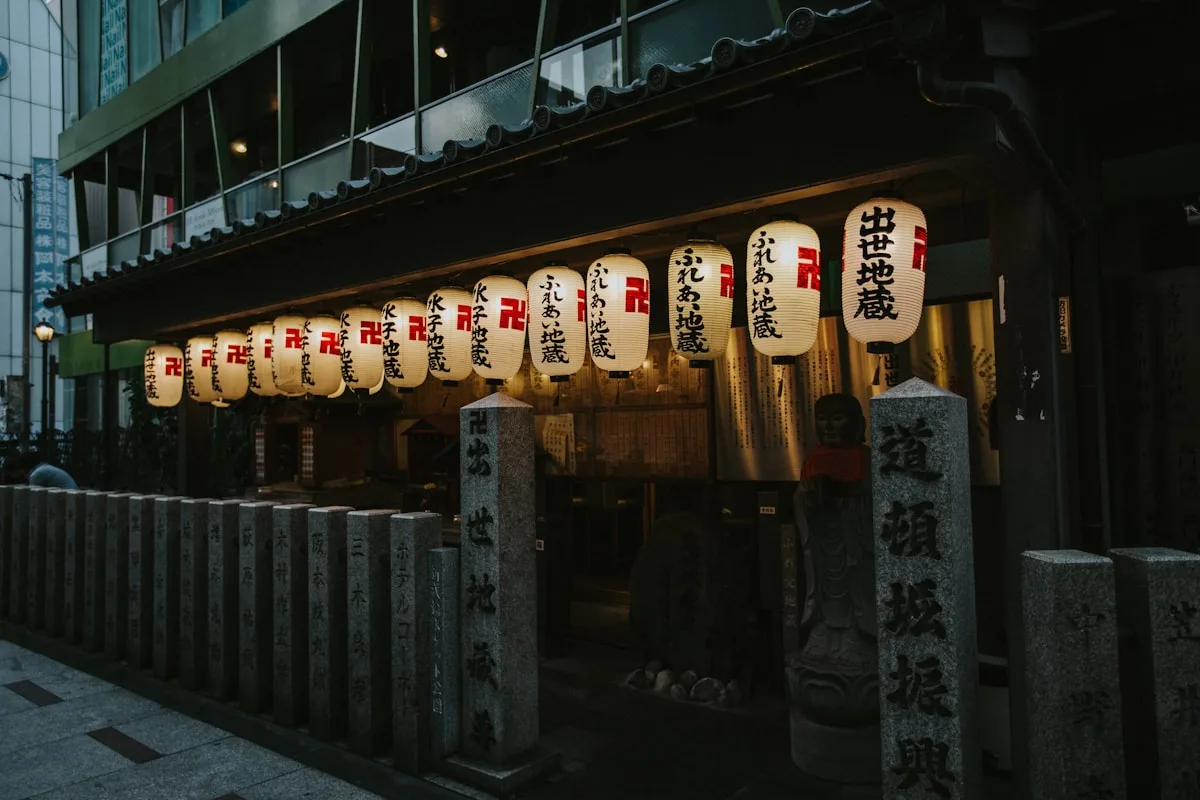
Dōtonbori
- Best
- After dark, when the canal-front neon is lit
- Hours
- Public street, always open; liveliest in the evening
Dōtonbori runs along a canal in the Namba district, and at night the neon and the famous Glico running-man sign light up across the water. The sign has stood here since 1935, now in an LED version, advertising a confectionery company rather than any athlete. The canal dates to the early 1600s and the area grew up as a theatre quarter. It is the place to eat standing up: takoyaki, okonomiyaki, kushikatsu. Walk the Ebisubashi bridge for the classic view back along the water.
Osaka Castle, then the train home
Spend the last morning at the castle, then ride back to Tokyo in the afternoon, timed to your flight. Shin-Osaka to Tokyo is about two and a half hours on the fastest trains.
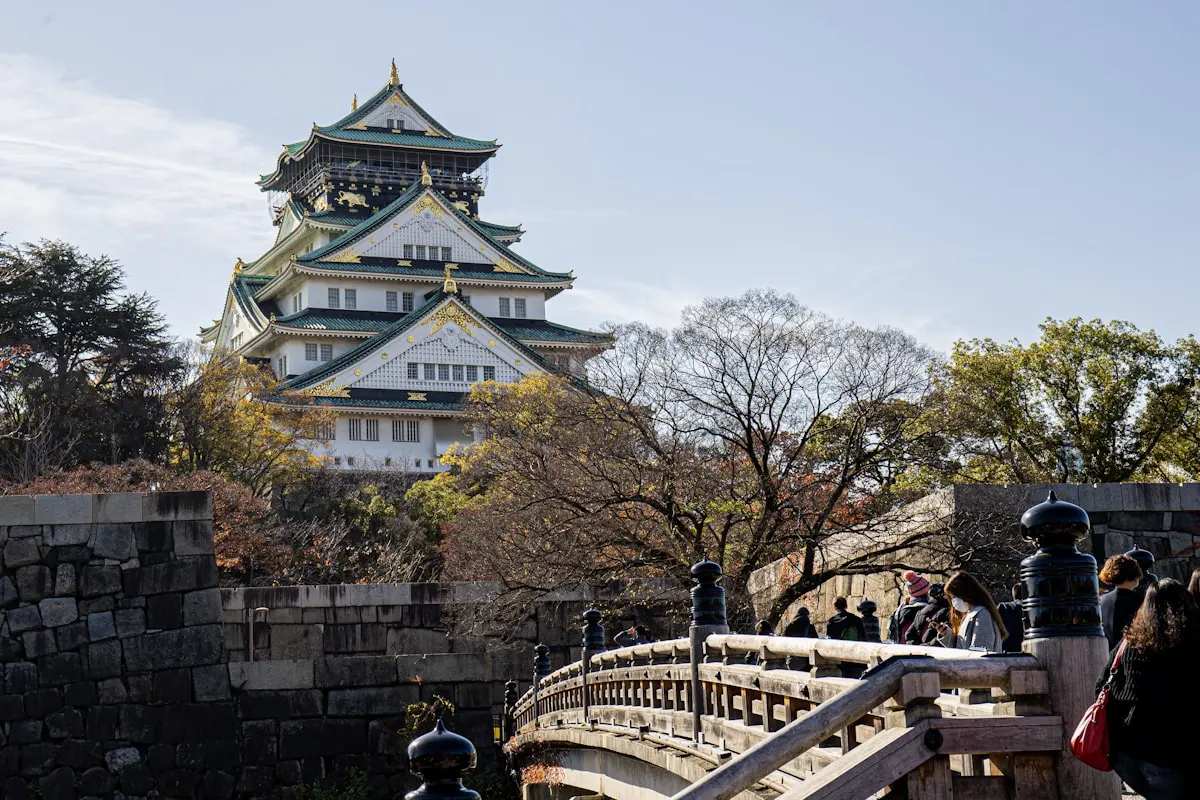
Osaka Castle
- Price
- Main Tower ¥1,200 (park free)
- Best
- Cherry-blossom season, late March to early April
- Hours
- 9:00–17:00, last entry 16:30; closed Dec 28–Jan 1
Osaka Castle was begun in 1583 under Toyotomi Hideyoshi, the warlord who unified the country, and it sits in a large public park ringed by moats and massive stone walls. The keep you climb is a 1931 reconstruction in reinforced concrete rather than the original, now a museum with a lift and a viewing deck up top. The park is free; the tower charges admission, which rose to ¥1,200 in 2025, so older guides quoting half that are out of date.
Planning notes
On rail passes, honestly. For this exact route the nationwide Japan Rail Pass does not pay off. A seven-day ordinary pass costs ¥50,000 since the 2023 increase, while the two big legs that actually matter, Tokyo to Kyoto and Shin-Osaka back to Tokyo, come to roughly ¥29,000 bought point to point. The pass only gets you ahead if you tack on long extra runs, say out to Hiroshima, inside the same week. Two more catches: the pass is not valid on the fastest Nozomi and Mizuho trains without a separate supplement, so plan on the slightly slower Hikari, and it does nothing in Hakone, which runs on the private Odakyu network. Buying individual Shinkansen tickets, or reserving through the smartEX app, is the simpler and cheaper call here.
Hakone has its own pass. The Odakyu Hakone Freepass covers the round trip from Shinjuku plus unlimited rides on the whole tangle of Hakone trains, cable cars, ropeway, buses, and boats; the two-day version is ¥7,100 for an adult. The fast Romancecar limited express from Shinjuku is not included and needs a surcharge of ¥1,200 each way on top. If you reach Hakone from elsewhere on the loop, you can also buy the pass framed from Odawara instead.
Pacing and order. The plan keeps Kyoto as a base for four nights and treats Nara and, if you prefer, Osaka as day trips, which saves repacking. The alternative is to move to Osaka for the last two nights as written above; both work, since the two cities are a quarter-hour apart. Whichever you choose, hold the early starts for the outdoor sights. Fushimi Inari, the Arashiyama grove, and Kiyomizu-dera are different places at eight in the morning than at noon.